

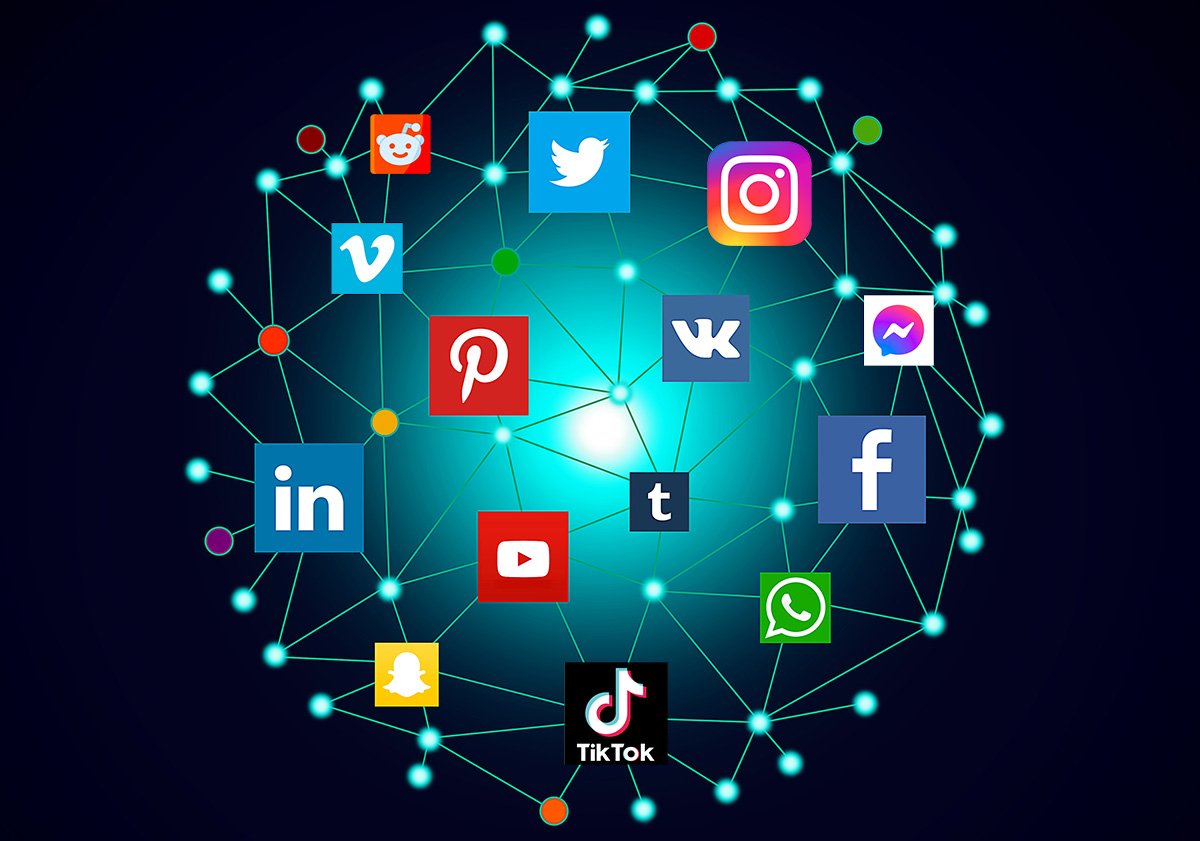
In today’s digital world, businesses rely heavily on social platforms to reach their audience, build brand awareness, and increase sales. Social Media Marketing (SMM) has become one of the most powerful marketing strategies for brands, influencers, and businesses of all sizes.
With billions of users actively engaging online every day, platforms like Instagram, Facebook, TikTok, YouTube, and LinkedIn offer brands an opportunity to connect directly with potential customers.
Understanding how Social Media Marketing works can help businesses build stronger digital strategies and achieve long-term growth.
What Is Social Media Marketing (SMM)?
Social Media Marketing (SMM) refers to the use of social media platforms to promote products, services, or brands. It involves creating and sharing content designed to attract audiences, increase engagement, and drive traffic to websites or online stores.
Businesses use SMM to:
- Build brand awareness
- Engage with customers
- Increase website traffic
- Generate leads and sales
- Promote products and services
Unlike traditional advertising, social media marketing allows brands to interact directly with their audience through comments, messages, and live engagement.
How Social Media Marketing Works
Social media marketing works through a combination of strategic planning, content creation, audience targeting, and performance tracking.
1. Content Strategy and Planning
A successful SMM strategy begins with a clear content plan. Businesses create content that matches their brand voice and audience interests.
Common types of social media content include:
- Short-form videos
- Educational posts
- Product promotions
- Infographics
- Customer testimonials
- Live streams
Content consistency is key to maintaining audience interest and engagement.
2. Platform Selection
Different social media platforms serve different audiences and marketing goals.
For example:
- Instagram – Visual content, influencer marketing, brand storytelling
- Facebook – Community engagement and advertising
- TikTok – Viral short-form video marketing
- YouTube – Long-form content and tutorials
- LinkedIn – B2B marketing and professional networking
Choosing the right platform helps businesses reach the most relevant audience.
3. Audience Targeting
Social platforms offer advanced targeting features that allow marketers to reach specific groups based on:
- Demographics
- Interests
- Location
- Online behavior
This targeting capability ensures that marketing campaigns reach users who are most likely to engage with the content.
4. Paid Social Advertising
Paid advertising plays an important role in social media marketing. Businesses can run targeted ad campaigns to reach larger audiences quickly.
Popular paid ad formats include:
- Sponsored posts
- Video ads
- Story ads
- Carousel ads
- Lead generation ads
Paid campaigns can significantly boost reach and conversions when combined with strong organic content.
5. Engagement and Community Building
One of the biggest advantages of SMM is direct communication with audiences. Businesses interact with users by responding to:
- Comments
- Messages
- Reviews
- Poll responses
Active engagement builds trust and encourages long-term relationships with followers.
6. Performance Tracking and Analytics
Social media platforms provide detailed analytics to measure campaign performance. Marketers track metrics such as:
- Reach
- Engagement rate
- Click-through rate
- Follower growth
- Conversions
These insights help businesses refine their strategies and improve results over time.
Benefits of Social Media Marketing
1. Increased Brand Awareness
Social media allows brands to reach millions of potential customers and increase their online visibility.
2. Cost-Effective Marketing
Compared with traditional advertising methods, social media marketing is relatively affordable and accessible.
3. Strong Customer Relationships
Brands can interact directly with their audience, which helps build trust and brand loyalty.
4. Higher Website Traffic
Sharing links, promotions, and content can drive users to websites, landing pages, or online stores.
5. Measurable Results
Marketing performance can be tracked through analytics tools, making it easier to measure ROI.
Drawbacks of Social Media Marketing
1. Requires Consistent Effort
Maintaining an active social media presence requires continuous content creation and engagement.
2. Algorithm Changes
Social media algorithms frequently change, which can impact post visibility and reach.
3. High Competition
Millions of businesses use social media, making it challenging to stand out without strong content.
4. Risk of Negative Feedback
Public comments and reviews can affect brand reputation if not managed carefully.
5. Time Investment
Effective social media marketing requires ongoing monitoring, analysis, and optimization.
Why Social Media Marketing Is Important for Businesses
In the modern digital ecosystem, social media has become one of the most effective channels for brand communication. Businesses that actively use social platforms can connect with audiences, promote products, and build lasting relationships with customers.
Companies that invest in strong SMM strategies often experience:
- Faster brand growth
- Increased audience engagement
- Higher website traffic
- More sales opportunities
For both startups and established brands, social media marketing continues to be an essential component of digital marketing success.
Conclusion
Social Media Marketing is a powerful tool for building brand awareness, engaging audiences, and driving business growth. Platforms like Instagram, TikTok, and YouTube provide businesses with direct access to global audiences.
While it requires time, strategy, and consistent effort, the long-term benefits of social media marketing can significantly improve a brand’s digital presence and marketing performance.
FAQ
What is Social Media Marketing?
Social Media Marketing (SMM) is a digital marketing method that uses social platforms to promote brands, products, or services. Businesses use platforms like Instagram, Facebook, and TikTok to connect with audiences, increase visibility, and drive engagement.
Why is Social Media Marketing important?
Social media marketing helps businesses reach large audiences, build brand awareness, engage directly with customers, and generate leads or sales through targeted campaigns.
What are the benefits of Social Media Marketing?
Some key benefits include increased brand awareness, improved customer engagement, cost-effective promotion, measurable results, and higher website traffic.
What are the disadvantages of Social Media Marketing?
SMM can require consistent effort, frequent content creation, and ongoing monitoring. Algorithm changes and strong competition can also impact performance.
Which social media platform is best for marketing?
The best platform depends on the business goals and target audience. For example, Instagram works well for visual branding, LinkedIn is ideal for B2B marketing, and YouTube is effective for video marketing and tutorials.
0 Comments