

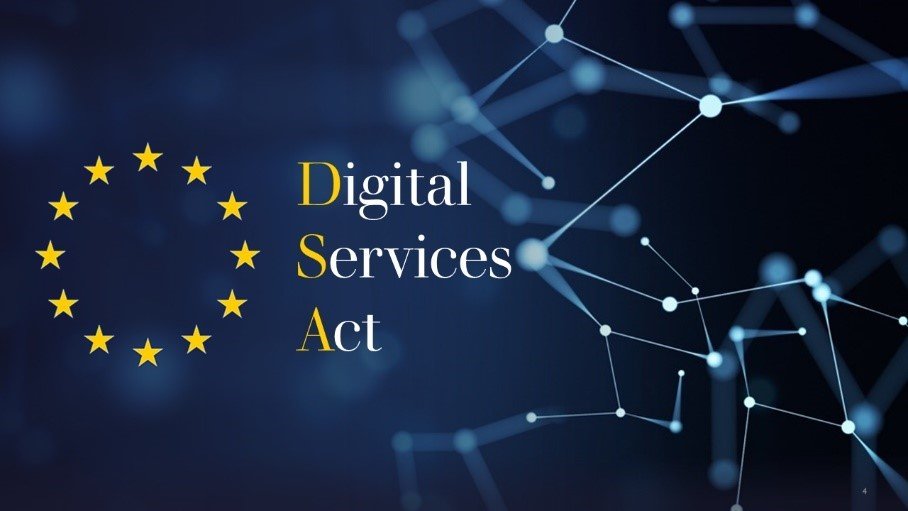
The European Union has built one of the most advanced digital regulatory frameworks in the world. At the center of this transformation is the Digital Services Act (DSA), supported by a wide range of laws covering privacy, competition, artificial intelligence, cybersecurity, and data governance.
Together, these regulations aim to create a safer, fairer, and more transparent digital ecosystem for users and businesses across Europe.
What is the Digital Services Act (DSA)?
The Digital Services Act is a landmark EU regulation focused on online platform accountability and user safety.
It applies to:
- Social media platforms
- Online marketplaces
- Hosting providers
- Search engines
Key Goals:
- Remove illegal and harmful content faster
- Improve transparency in algorithms and ads
- Protect user rights online
- Hold large tech platforms accountable
The DSA introduces stricter rules for Very Large Online Platforms (VLOPs), requiring risk assessments, audits, and stronger compliance mechanisms.
Core EU Digital Laws You Must Know
1. Digital Markets Act (DMA)
The DMA complements the DSA by focusing on fair competition in digital markets.
Highlights:
- Targets “gatekeeper” platforms
- Prevents unfair ranking of their own services
- Allows users to uninstall pre-installed apps
- Ensures fair access for businesses
👉 DSA = safety and content
👉 DMA = competition and fairness
2. General Data Protection Regulation (GDPR)
The GDPR is the foundation of data privacy in Europe.
Key Features:
- Requires clear user consent for data collection
- Gives rights like access, deletion, and portability
- Imposes heavy fines for violations
👉 GDPR controls data usage, while DSA governs platform behavior.
3. Artificial Intelligence Act (AI Act)
The AI Act regulates artificial intelligence systems based on risk levels.
Key Rules:
- Bans high-risk AI applications
- Requires transparency for AI-generated content
- Introduces strict compliance for sensitive AI uses
This law plays a critical role as AI becomes deeply integrated into digital platforms.
Data and Digital Infrastructure Laws
4. Data Act
Focuses on fair access to data generated by connected devices.
- Enables users to control their data
- Encourages innovation through data sharing
- Reduces dependence on big tech ecosystems
5. Data Governance Act
Creates systems for secure and trusted data sharing.
- Introduces data intermediaries
- Promotes public sector data reuse
- Encourages “data altruism”
6. Open Data Directive
Encourages reuse of government data for innovation and transparency.
Privacy and Communication Laws
7. ePrivacy Directive
Often called the cookie law, it regulates:
- Cookie consent
- Email marketing rules
- Confidentiality of communications
A future ePrivacy Regulation is expected to further strengthen these rules.
Cybersecurity and Safety Regulations
8. NIS2 Directive
Strengthens cybersecurity across critical sectors.
- Mandatory incident reporting
- Risk management requirements
- Covers industries like healthcare, energy, and transport
9. Cyber Resilience Act
Ensures secure digital products.
- Security-by-design requirements
- Mandatory vulnerability handling
- Applies to software and hardware products
Market and Industry-Focused Regulations
10. Platform to Business Regulation
Protects businesses using online platforms.
- Transparency in ranking algorithms
- Fair terms for sellers
- Dispute resolution mechanisms
11. European Chips Act
Focuses on boosting semiconductor production in Europe.
- Reduces reliance on foreign chip suppliers
- Strengthens digital infrastructure
12. Digital Governance Package
A broader framework that ties together multiple EU digital policies and initiatives.
How All These EU Laws Work Together
The EU has created a multi-layered digital regulation system, where each law addresses a specific area:
| Area | Regulation |
|---|---|
| Platform safety | Digital Services Act |
| Market competition | Digital Markets Act |
| Data privacy | GDPR |
| AI governance | AI Act |
| Data sharing | Data Act |
| Data systems | Data Governance Act |
| Communication privacy | ePrivacy Directive |
| Cybersecurity | NIS2 & Cyber Resilience Act |
| Business fairness | P2B Regulation |
| Public data | Open Data Directive |
| Industry support | Chips Act |
Why the EU Digital Framework Matters Globally
The EU’s approach is influencing global policy, often referred to as the “Brussels Effect.”
Global Impact:
- Countries adopting GDPR-style privacy laws
- Increased pressure on Big Tech worldwide
- Standardization of AI and platform governance
Benefits of EU Digital Regulations
For Users:
- Stronger privacy and safety
- Transparency in content and ads
- Better control over personal data
For Businesses:
- Fair competition environment
- Clear regulatory framework
- Increased consumer trust
For Governments:
- Better oversight of digital platforms
- Improved cybersecurity resilience
- Protection of democratic systems
Challenges and Criticism
Despite its strengths, the framework faces several challenges:
- Complex compliance requirements
- High costs for smaller businesses
- Risk of over-regulation
- Balancing innovation with control
Conclusion
The Digital Services Act is just one part of a powerful and comprehensive EU digital ecosystem. When combined with laws like the Digital Markets Act, General Data Protection Regulation, and Artificial Intelligence Act, it forms a global benchmark for digital governance.
As technology evolves, this framework will continue to shape how platforms operate, how data is used, and how users are protected—not just in Europe, but worldwide.


0 Comments