


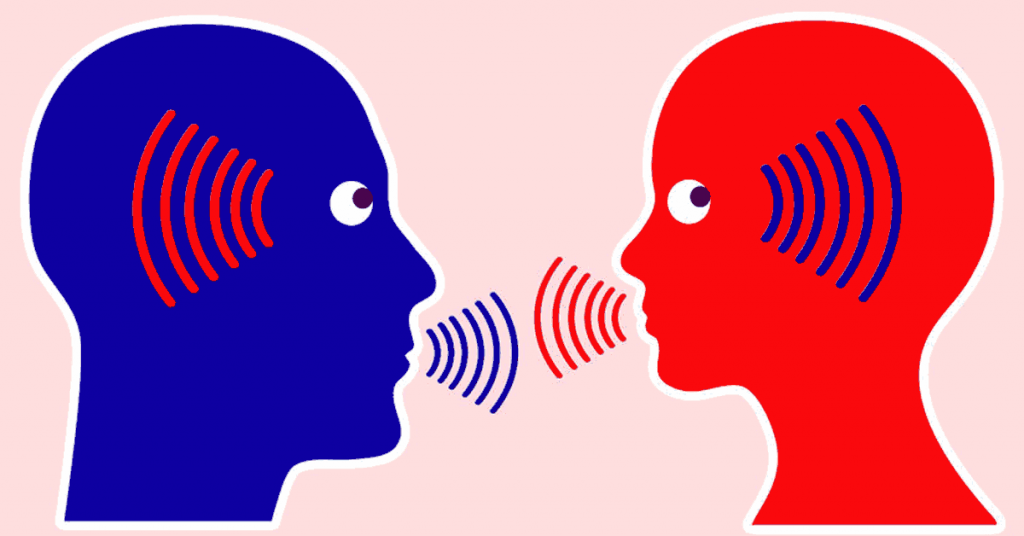
Powerful Communication Lessons from Julian Treasure
In a noisy world where everyone is talking, very few people are truly heard. Whether you are a business owner, content creator, student, manager, or public speaker, your ability to communicate clearly and confidently determines how people respond to you. If you have ever felt ignored, misunderstood, or overlooked, improving the way you speak can transform your personal and professional life.
One of the most impactful talks on communication is the famous 10 minute presentation by Julian Treasure, where he explains how to speak so that people actually want to listen. His insights are practical, psychological, and deeply human. Let us explore his principles in depth and understand how you can apply them in everyday conversations, meetings, presentations, and online content creation.
Why People Stop Listening
Before learning how to speak better, it is important to understand why people stop listening in the first place.
Julian Treasure identifies several common habits that damage our credibility and push listeners away:
1. Gossip
Speaking negatively about others who are not present signals untrustworthiness. If you gossip about someone else, listeners assume you might do the same about them.
2. Judging
Constant criticism and harsh judgment create emotional resistance. People shut down when they feel attacked.
3. Negativity
Persistent complaining or pessimism drains energy. Over time, listeners avoid negative communicators.
4. Complaining
Repeated complaints without solutions make conversations exhausting.
5. Excuses
Blaming others and avoiding responsibility reduces respect and authority.
6. Exaggeration
Overstating facts or dramatizing situations weakens credibility.
7. Dogmatism
Confusing opinion with fact and refusing to consider other viewpoints discourages open dialogue.
These habits may seem small, but they slowly erode trust. If you want people to listen, you must first remove the behaviors that make them tune out.
The Foundation of Powerful Speaking: HAIL
Julian Treasure introduces a simple but powerful framework called HAIL. This represents four essential qualities of effective communication:
H – Honesty
Be truthful and clear. Authentic communication builds trust. When people sense sincerity, they naturally pay attention.
A – Authenticity
Be yourself. Do not imitate someone else’s speaking style. Authentic voices create emotional connection.
I – Integrity
Stand by your word. Say what you mean and mean what you say. Consistency builds credibility.
L – Love
Wishing others well changes the tone of your communication. When you speak with respect and goodwill, your message feels safe and welcoming.
These four principles form the emotional core of effective communication. Without them, even technically perfect speech will fail to inspire.
Vocal Tools That Make People Listen
Speaking is not only about what you say. It is also about how you say it. Your voice is a powerful instrument, and learning to use it well can dramatically improve your impact.
1. Pitch
Varying your pitch keeps your voice interesting. A flat monotone voice quickly loses attention. Slight changes in tone signal emotion and emphasis.
2. Pace
Speaking too fast overwhelms listeners. Speaking too slowly bores them. Strategic pauses create anticipation and allow ideas to sink in.
3. Power
Volume matters. Lower your voice to create intimacy. Raise it slightly to highlight important points. Controlled projection builds authority.
4. Timbre
Timbre refers to the quality and texture of your voice. A warm and resonant tone is more pleasant than a nasal or harsh tone.
5. Prosody
Prosody is the rhythm and melody of speech. Natural variations make communication engaging and dynamic.
6. Silence
Silence is not weakness. A well placed pause can be more powerful than words. It signals confidence and gives your message weight.
By mastering these vocal tools, you transform ordinary speech into compelling communication.
Practical Strategies to Improve Your Speaking Skills
Improving communication is not just theory. It requires practice. Here are actionable steps you can apply immediately.
Record Yourself
Listening to your own voice may feel uncomfortable, but it reveals habits you never noticed. Pay attention to pace, tone, filler words, and clarity.
Practice Conscious Breathing
Deep breathing supports vocal strength and reduces anxiety. Calm breathing leads to a stable, confident voice.
Warm Up Your Voice
Simple vocal exercises such as humming or reading aloud help improve resonance and clarity before important conversations.
Slow Down
Many people speak too quickly when nervous. Intentionally slowing down increases clarity and authority.
Focus on the Listener
Shift attention away from yourself and toward your audience. What do they need? What problems are they facing? Communication improves when it is audience centered.
Applying These Principles in Different Situations
In Business Meetings
Clear communication builds leadership presence. Avoid complaining, speak with integrity, and use pauses to emphasize key ideas.
In Public Speaking
Vary pitch and pace to maintain engagement. Structure your message with clarity and speak with authenticity.
In Content Creation
Whether recording videos, podcasts, or webinars, vocal variety and emotional sincerity increase audience retention.
In Everyday Conversations
Simple changes such as reducing negativity and showing genuine interest dramatically improve relationships.
The Psychology Behind Being Heard
Human beings are wired to respond to emotional cues. Research in communication psychology shows that tone often carries more meaning than words themselves. Listeners subconsciously evaluate trust, confidence, and intention through vocal signals.
When your voice aligns with your message, you create coherence. Coherence builds trust. Trust leads to attention.
Effective speaking is not about manipulation. It is about alignment between intention, emotion, and expression.
Why Communication Skills Matter More Than Ever
In today’s digital environment, communication happens across video calls, podcasts, social media, and virtual meetings. Attention spans are shorter, distractions are constant, and competition for visibility is intense.
The ability to speak clearly and authentically is now a critical professional advantage. Leaders, entrepreneurs, educators, and creators who master vocal communication stand out instantly.
Strong speaking skills increase:
Professional credibility
Audience engagement
Leadership influence
Sales conversions
Personal confidence
Communication is no longer optional. It is a core skill for success.
Final Thoughts
The lessons shared by Julian Treasure remind us that speaking is not merely producing sound. It is about building trust, creating connection, and delivering value.
If you remove destructive speaking habits, practice HAIL principles, and refine your vocal tools, you will notice a powerful shift. People will respond differently. Conversations will feel smoother. Presentations will gain impact.
When you speak with honesty, authenticity, integrity, and goodwill, your voice becomes more than just sound. It becomes influence.
Master your voice, and you master your ability to be heard.


0 Comments